Serving Incline Village and the wider Truckee Meadows

Basement Finishing in Incline Village, NV

Incline Village is the outlier in this service area. Higher, wetter, colder, and subject to lake-basin regulation on top of county permitting.

No obligation. Every estimate starts with a walkthrough and a straight answer about what your basement will allow.

Washoe County & TRPADesign → Permit → Build
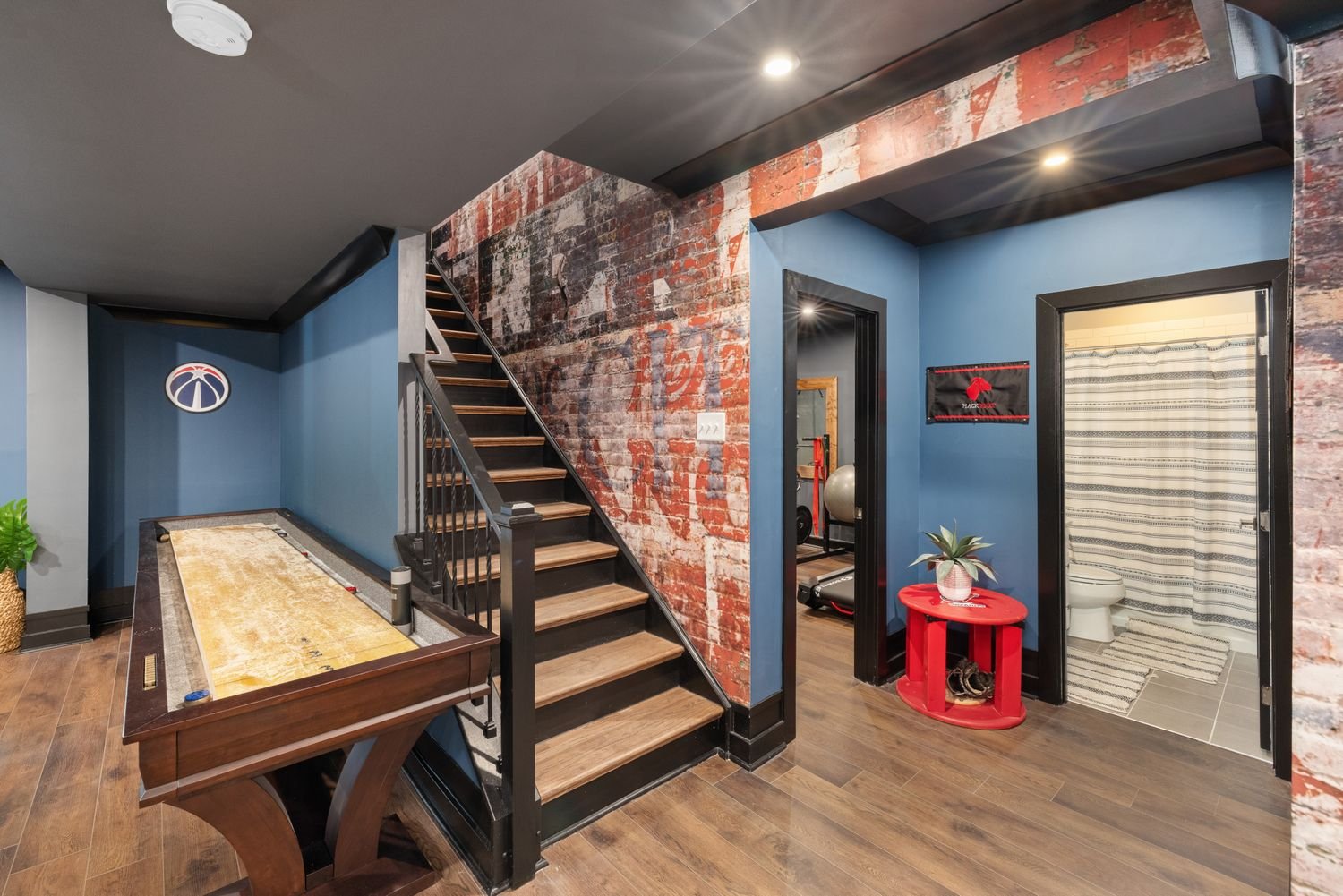
Finished basement with a games area beside the staircase
Building in Incline Village

6,350 feet, three times the precipitation, and an extra regulatory layer

Incline Village sits on the north shore of Lake Tahoe at 6,350 feet, with a 2020 population of about 9,462 across roughly 21.7 square miles. It has a humid continental climate rather than the cold desert of the Truckee Meadows, and the difference is dramatic: annual precipitation here averages about 23.09 inches against roughly 8.4 inches in Sparks. January alone averages nearly three inches.

That changes basement work in ways that matter. Moisture is a real and recurring condition rather than an occasional event, so wall assemblies, vapour management and drainage details deserve more attention than they would on the valley floor. Several creeks cross the village on their way to Crystal Bay, including First, Second and Third Creeks, Incline Creek and Mill Creek, and proximity to one of them is worth knowing about before you finish anything below grade.

Snow load and a genuinely cold winter also mean the building envelope has to work harder. Insulation detailing that would be adequate in Reno is not automatically adequate here, and the energy code requirements reflect the different climate zone.

The administrative side is the other difference. Work at Lake Tahoe sits within a regional regulatory framework in addition to Washoe County permitting. For purely interior finishing the additional layer is often light, but anything involving excavation, exterior openings, drainage or land coverage is a different matter and needs establishing early. Timelines here are not the same as in Reno, and planning around Reno timelines is a mistake.
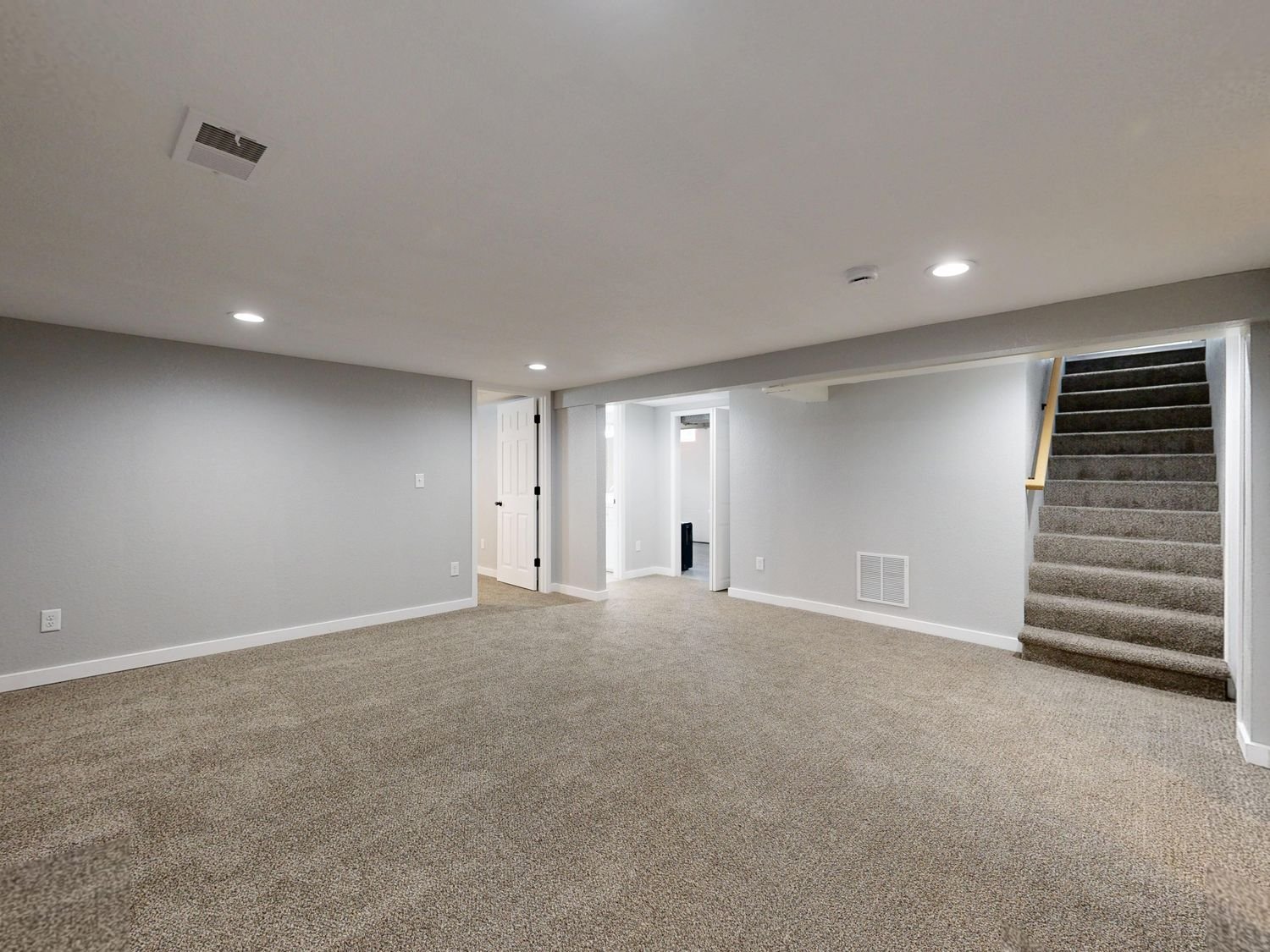
Empty basement with beige carpet and freshly painted white walls
What shapes a project here

Three things we check first in Incline Village

Moisture is a condition, not an event

With around 23 inches of annual precipitation, basement moisture management here needs to be designed rather than assumed. Assemblies that work in the Truckee Meadows are not automatically right at the lake.

Two regulatory layers

County permitting plus the regional framework that governs the Tahoe basin. Interior work is usually the simpler case; excavation and exterior openings are not. Confirm scope early.

Creeks and drainage

Several creeks cross the village. Proximity affects groundwater and drainage strategy, and it belongs in the conversation before wall assemblies are chosen.

Before you start

Worth checking on a Incline Village property

  • How close the property sits to one of the creeks crossing the village
  • Whether any part of the work involves excavation, exterior openings or land coverage, which changes the approval path
  • Insulation specified for this climate zone rather than for the Reno valley floor
  • Realistic approval timelines, which are not the same as in Reno
  • Clear height measured to the lowest duct or beam rather than the highest point in the room
  • Evidence of past water at the slab edge: staining, efflorescence, or rust on the jack posts
Questions

Incline Village basement questions

Does basement work at Tahoe need more than a county permit?

Often, yes. Work in the Lake Tahoe basin sits within a regional regulatory framework in addition to Washoe County building permits.

Purely interior finishing with no exterior change is generally the lightest case. Anything involving excavation, new exterior openings, drainage changes or land coverage is more involved. Establish the scope and the approval path before committing to a schedule, because timelines here differ from Reno.

Is moisture a bigger problem here?

Meaningfully, yes. Incline Village averages around 23 inches of precipitation a year compared with roughly 8.4 inches in Sparks, and it is a genuinely cold winter climate rather than a high desert one.

In practice that means drainage, vapour management and wall assembly choices get more attention. A detail that is adequate on the valley floor may not be adequate at the lake, and finishing over a moisture path here is a faster route to trouble.

Do Incline Village homes have basements?

Many have lower levels, and the sloped terrain means walkouts and daylight levels are common. That is helpful for bedrooms, because an existing exterior door or large window often satisfies the emergency escape requirement.

The housing here is varied and includes a lot of custom building, so the honest answer for any particular property comes from looking at it.

How does the snow affect scheduling?

Interior work continues through winter. Anything exterior does not, reliably.

If your project includes excavating an egress window well or any other outside element, the sensible plan is to sequence that for the shoulder seasons and do interior stages through the winter rather than trying to force outside work in February.

Is the insulation specification different up here?

Yes. Incline Village sits in a different climate zone from the Reno valley floor, and the energy code requirements reflect that.

Specifying to Reno numbers would be both non-compliant and, more practically, would give you a room that is uncomfortable to sit in during a Tahoe winter. Confirm the current requirements with the authority reviewing the work.

Get started

Basement work in Incline Village?

Send photos and rough dimensions and you will get a straight assessment of what that basement can hold, what the work involves, and what it is likely to cost.